-
Use Cases
-
Resources
-
Pricing
8000 BCE
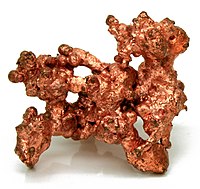
Copper was one of the first metals to be discovered and used by humans, marking a significant advancement in early metalworking and tool production.
Image source: Copper
3300 BCE
The Bronze Age began with the widespread use of bronze, an alloy of copper and tin, which revolutionized tool and weapon production.
Image source: Bronze Age

1200 BCE
The Iron Age marked the widespread use of iron for tools and weapons, leading to significant advancements in metalworking techniques.
Image source: Iron Age

1760
The Industrial Revolution brought about major advancements in metal production, including the development of new techniques and machinery for working with metals.
Image source: Industrial Revolution

1791
The discovery of titanium's exceptional strength, low density, and corrosion resistance led to its widespread use in aerospace, medical, and industrial applications.
Image source: Titanium

1856
The Bessemer process, invented by Henry Bessemer, revolutionized steel production by enabling the mass production of high-quality steel at lower costs.
Image source: Bessemer process

1886
The discovery of the Hall-Héroult process for extracting aluminum from its ore significantly transformed the availability and use of aluminum in various industries.
Image source: Aluminium

1900
The invention of the electric arc furnace revolutionized steel production, allowing for the efficient melting and refining of steel using electric energy.
Image source: Electric arc furnace

1900
The development of powder metallurgy techniques allowed for the production of complex metal parts with precise characteristics and improved material properties.
Image source: Powder metallurgy

1913
The introduction of stainless steel, with its corrosion resistance and durability, revolutionized the production of cutlery, cookware, and various industrial applications.
Image source: Stainless steel

This Working with Metals timeline was generated with the help of AI using information found on the internet.
We strive to make these timelines as accurate as possible, but occasionally inaccurates slip in. If you notice anything amiss, let us know at [email protected] and we'll correct it for future visitors.
Preceden lets you create stunning timelines using AI or manually.