
-
Use Cases
-
Resources
-
Pricing
1884
Juan Luna's "Spoliarium," unveiled in 1884, is one of the most iconic artworks in Philippine art history. This massive painting depicts the aftermath of gladiatorial combat during the Roman Empire, symbolizing the oppression and suffering endured by the Filipino people under Spanish colonial rule.
Image source: Juan Luna

1953
Carlos "Botong" Francisco, a prominent Filipino muralist, completed "The Progress of Medicine in the Philippines" in 1953. This mural, located at the Philippine General Hospital, depicts the evolution of medical practices and the contributions of Filipino healers throughout history.
Image source: Botong Francisco

1938
The Thirteen Moderns Exhibition, held in 1938, marked a significant turning point in Philippine art history. This exhibition showcased the works of thirteen Filipino artists who embraced modernist principles, challenging traditional artistic norms and paving the way for contemporary art in the Philippines.
Image source: Victorio Edades

1945
Fernando Amorsolo, one of the Philippines' most renowned artists, painted "The Burning of Manila" in 1945. This powerful artwork depicts the destruction of Manila during World War II, capturing the devastation and resilience of the Filipino people.
Image source: Fernando Amorsolo

1950
H.R. Ocampo, a prominent modernist painter, created "Genesis" in 1950. This vibrant and abstract artwork reflects Ocampo's exploration of form, color, and movement, showcasing his significant contributions to Philippine modern art.
1948
The Art Association of the Philippines was founded in 1948, becoming a vital organization in promoting and supporting contemporary Philippine art. It has played a significant role in fostering artistic development, organizing exhibitions, and providing platforms for artists to showcase their works.
1950
Vicente Manansala, a pioneer of Philippine modernism, painted "Jeepneys" in 1950. This iconic artwork captures the vibrant and colorful jeepneys, a popular mode of transportation in the Philippines, showcasing Manansala's unique style and portrayal of everyday Filipino life.
Image source: Vicente Manansala

1965
Benedicto Cabrera, known as BenCab, began his iconic "Sabel" series in 1965. These paintings depict a stylized representation of a marginalized woman, symbolizing the struggles and resilience of the Filipino people. BenCab's "Sabel" series has become an important symbol of Philippine contemporary art.
Image source: Benedicto Cabrera

1969
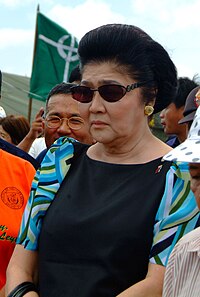
Imelda Marcos, the former First Lady of the Philippines, played a significant role in the establishment of the Cultural Center of the Philippines (CCP) in 1969. The CCP became a hub for various artistic disciplines, hosting performances, exhibitions, and fostering the development of Philippine arts and culture.
Image source: Imelda Marcos
1970 - 1979
The 1970s saw the emergence of the Social Realism movement in Philippine art, characterized by artworks that reflect social issues, political commentary, and the struggles of the Filipino people. Artists like Nunelucio Alvarado, Antipas Delotavo, and Pablo Baen Santos played significant roles in this movement.
Image source: Social realism
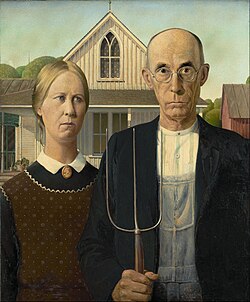
This History Of Philippine Art timeline was generated with the help of AI using information found on the internet.
We strive to make these timelines as accurate as possible, but occasionally inaccurates slip in. If you notice anything amiss, let us know at [email protected] and we'll correct it for future visitors.
Preceden lets you create stunning timelines using AI or manually.


